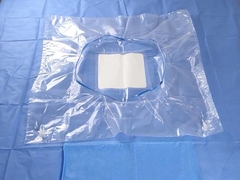
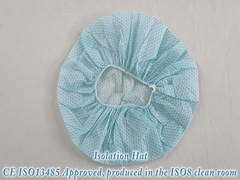
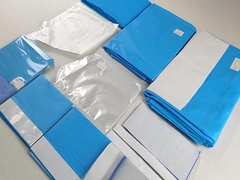
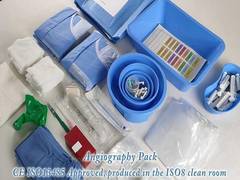
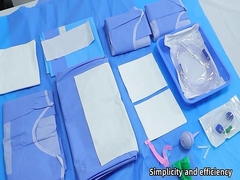
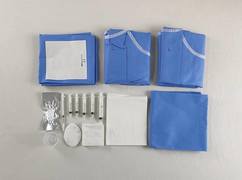
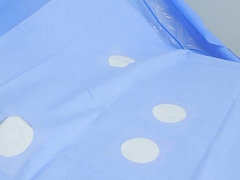
Brief: From concept to demonstration, this video highlights the evolution and practical outcomes of the Sterile Surgical Drape for PICC Line Insertion. You will see how this drape creates a sterile barrier to prevent infection, integrates auxiliary tools for efficiency, and is used in various clinical settings from oncology to pediatrics. Watch to learn about its design, application process, and role in improving procedural safety and success rates.
Related Product Features:
Creates a sterile barrier to prevent infection and cross-contamination during PICC line insertion.
Provides a clear surgical field for enhanced visibility and operational accuracy.
Made from soft, comfortable materials to reduce patient discomfort.
Features a convenient design for quick setup and improved procedural efficiency.
Constructed with durable materials to ensure reliable performance throughout the procedure.
Minimizes skin trauma and facilitates accurate PICC catheter placement.
Streamlines the PICC intubation process for healthcare professionals.
Individually packaged in sterile bags to maintain aseptic conditions until use.
자주 묻는 질문:
What is the primary purpose of the PICC Line Insertion Drape?
The primary purpose is to provide a sterile barrier during peripheral inserted central catheter (PICC) insertion surgery, reducing infection risks and creating a controlled procedural setup for improved safety and efficiency.
Is the drape suitable for use with pediatric patients?
Yes, the drape is designed with features like a narrow incision design and elastic fixation bands that accommodate small limb contours, making it suitable for newborns and pediatric patients.
What certifications does this surgical drape hold?
The drape is certified with CE marking and is manufactured in compliance with the ISO13485:2016 quality management system, ensuring it meets international standards for medical devices.
Can the drape be customized for specific hospital needs?
Yes, the product details such as size (e.g., 196x279cm) can be customized as requested to fit specific procedural or patient requirements in various clinical environments.